What Massage Therapy Can Support
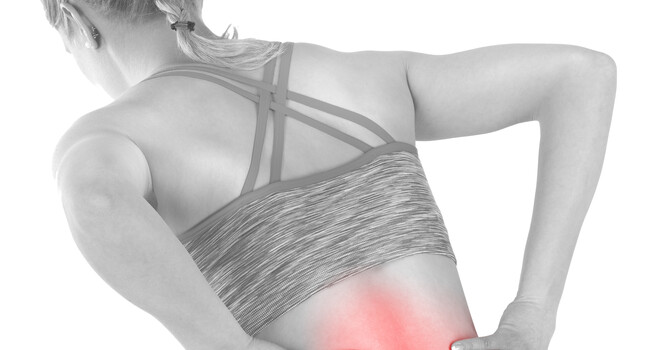
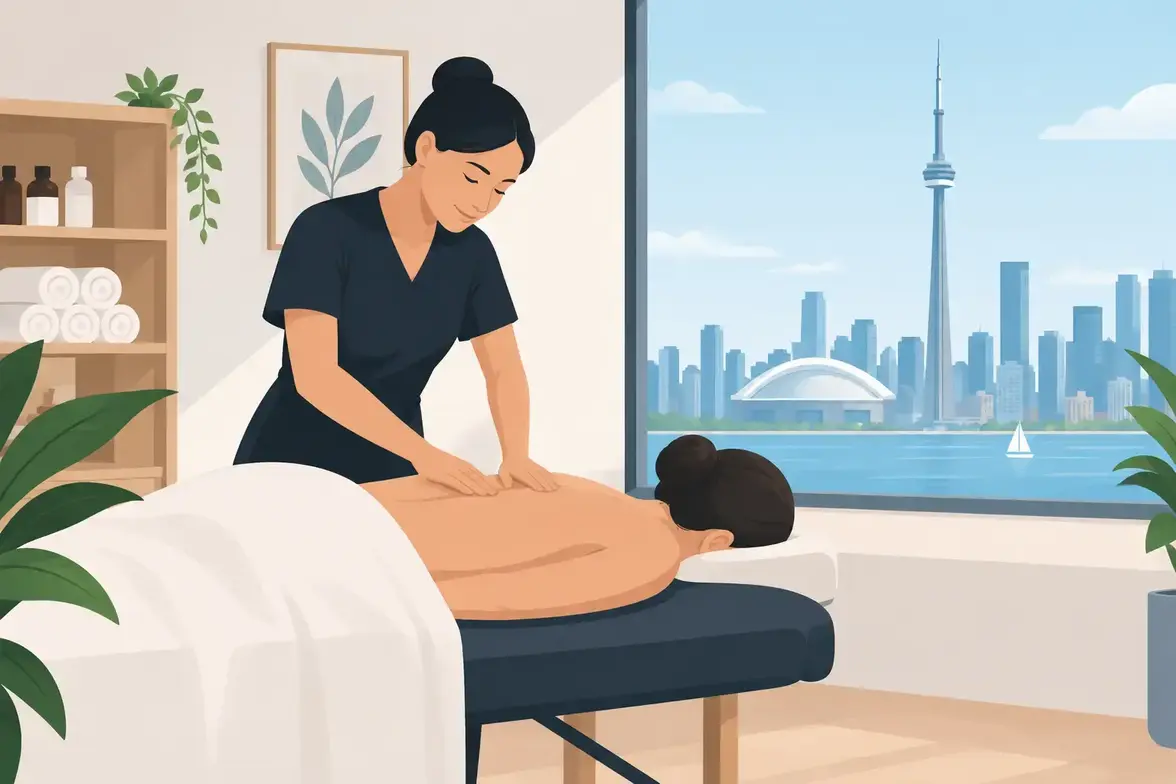
Registered massage therapy uses hands-on techniques to work with muscles, connective tissue, and areas of tension. The experience can be calming, but its value often goes beyond relaxation. Many people seek treatment because discomfort is getting in the way of work, sleep, exercise, or the simple ability to turn, reach, sit, or walk comfortably.
Massage may help reduce the feeling of tightness, support circulation, and improve your awareness of how your body is holding stress. For active people, it can be part of a recovery routine between training sessions or after an injury has been assessed. For people who spend much of the day sitting, it can address the familiar pull across the shoulders, hips, lower back, forearms, and neck.
Results are personal. A single appointment may leave you feeling lighter and more mobile, while longer-standing tension or recurring pain may respond best to a consistent plan combined with movement, ergonomic changes, or care from another practitioner. Massage is not a replacement for medical assessment when symptoms are sudden, severe, unexplained, or accompanied by numbness, weakness, fever, or other concerning changes. It is one supportive part of a thoughtful approach to well-being.
Massage Therapy in Toronto Should Feel Personal
Toronto life asks a lot of the body. Long commutes, desk work, caregiving, shift schedules, competitive sport, pregnancy, and the pace of family life can all affect how well you recover. Two people may both describe "back pain," yet need very different care. One may be dealing with postural fatigue after long workdays, while another may be compensating after a sports injury or managing the physical changes of pregnancy.
That is why the conversation before treatment matters. A massage therapist should ask about your goals, relevant health history, current symptoms, activity level, and preferences around pressure and areas of focus. You should feel comfortable saying if pressure is too intense, if a position does not work for you, or if you would prefer a quieter, more restorative session.
Deep pressure is not automatically better. Sometimes firmer work is useful for a particular area or goal, but it should remain within your comfort and should never feel like something you have to endure. Gentle, gradual techniques can be equally meaningful, especially when your body feels sensitive, overwhelmed, fatigued, or guarded. Effective care is responsive, not performative.
For tension that keeps returning
Recurring tightness often has more than one contributor. It may relate to repetitive work, an old injury, training load, sleep, stress, or the way your body has adapted to protect an uncomfortable area. Massage can help ease symptoms and give you a clearer sense of what needs attention, but it works best when the treatment plan considers the pattern behind the tension.
Your therapist may suggest a return visit based on how persistent your symptoms are and what you hope to achieve. They may also discuss simple, realistic ways to support your body between appointments, such as changing positions more often during work, building recovery into training, or pairing massage with another appropriate form of care.
For stress, fatigue, and poor recovery
Stress is not only a mental experience. It can show up as shallow breathing, headaches, jaw tension, restless sleep, digestive discomfort, and a body that feels constantly switched on. A calmer massage session can offer a dedicated pause from stimulation and support a sense of ease after a difficult stretch.
That does not mean massage removes every source of stress. What it can do is give your system a chance to settle and help you reconnect with physical cues that are easy to overlook. For many people, this makes massage a valuable preventive practice rather than something reserved for the point when discomfort becomes unmanageable.

Celine NONZERVILLE
Contact Me