
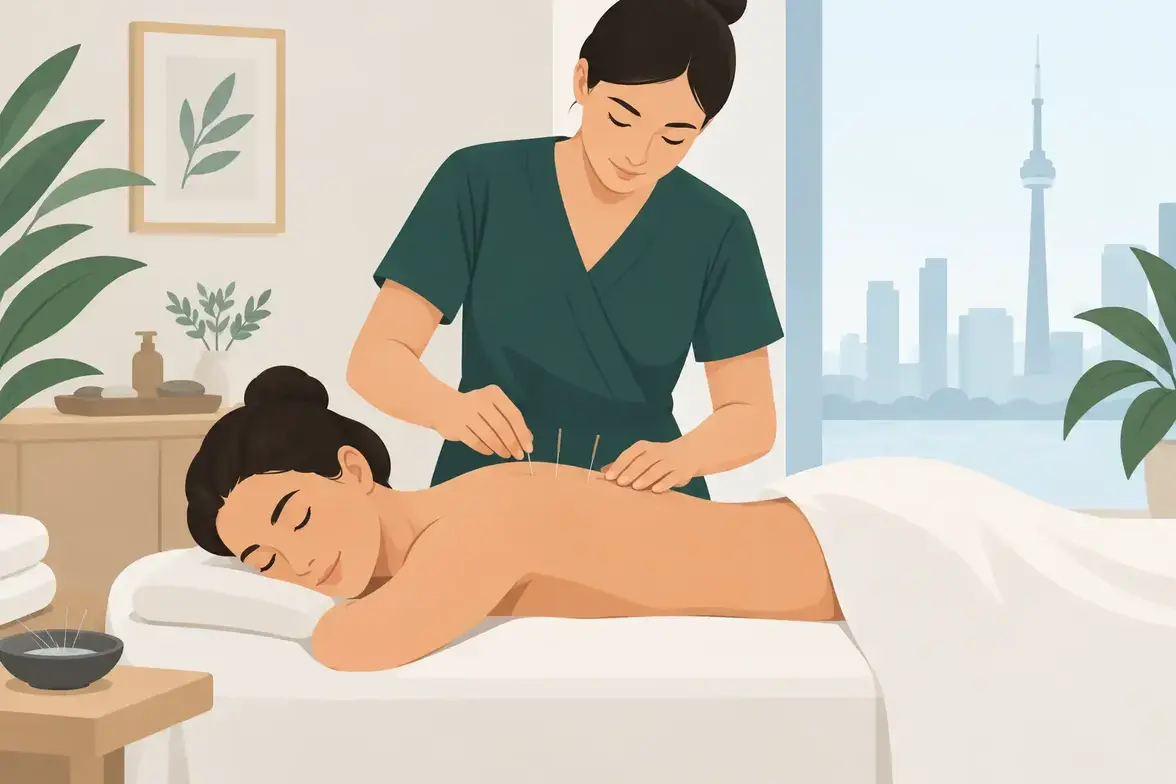
A tight neck after long days at a desk can be more than a muscle problem. It may sit alongside restless sleep, jaw tension, headaches, stress, or a feeling that your body never fully settles. Massage with acupuncture Toronto care brings two complementary approaches into one personalized treatment, creating space to address both local discomfort and the broader patterns affecting your well-being.
For many people, the appeal is straightforward: they want hands-on relief, but they also want care that looks beyond the one area that hurts. An integrated appointment can be a thoughtful option for working professionals, active people recovering from strain, and anyone seeking a calmer, more supported relationship with their body.
What Massage With Acupuncture Can Address
Massage therapy works directly with muscles and soft tissues. Depending on your needs and comfort level, it may help ease persistent tightness, improve movement, support circulation, and promote relaxation. It can be especially useful when prolonged sitting, repetitive movement, training, caregiving, or stress has left your body feeling guarded or sore.
Acupuncture uses very fine, sterile needles placed at selected points on the body. In a treatment plan, it may be used to support pain management, relaxation, recovery, and nervous-system regulation. Some people notice an immediate sense of ease, while others find the benefits build gradually over several appointments. There is no single response that applies to everyone, which is why an initial conversation matters.
Together, these modalities can offer a layered approach. Massage may help prepare tight tissues for movement and give your practitioner useful information about where your body is holding tension. Acupuncture can complement that hands-on work by supporting relaxation and helping address patterns such as ongoing muscle guarding, stress-related tension, or disrupted recovery. The goal is not to make every appointment intense. Often, the most helpful treatment is one that meets your system where it is.
How an Integrated Appointment May Feel
Your session should begin with listening. A practitioner may ask about your symptoms, relevant health history, work setup, activity level, sleep, stress, previous injuries, and what you would most like to change. This conversation helps shape treatment around your priorities, whether that is moving more comfortably, settling a flare-up, recovering after activity, or simply taking time to reset.
The massage portion may focus on areas such as the neck, shoulders, back, hips, legs, or jaw. Pressure should be adjusted to your preference and tissue response. More pressure is not automatically more effective. If your body is already highly sensitive, exhausted, or protective, a gentler approach may be more appropriate than deep work.
If acupuncture is included, your practitioner will explain what is planned and obtain your consent before proceeding. Needles are generally left in place while you rest, sometimes alongside massage or other calming treatment methods. People commonly describe the sensation as brief, light, or unusual rather than painful, but experiences vary. You can ask questions, request adjustments, or decline any part of treatment at any time.
A personalized appointment also considers pacing. Someone preparing for an athletic event may benefit from a different approach than someone managing a stressful work period or recovering from a long-standing pain pattern. The right plan may involve a focused session, a series of visits, or coordinated care with other services such as osteopathy, naturopathy, or reflexology.
When This Combination May Be a Good Fit
Massage and acupuncture are often considered by people dealing with recurring muscle tension, limited mobility, stress, fatigue, or recovery needs. It can be a supportive option when discomfort is not limited to one isolated event, but seems connected to everyday demands. For example, shoulder tension may return after each busy week, or lower-back stiffness may be linked to both prolonged sitting and reduced movement confidence.
The combination can also suit people who want preventive care. You do not need to wait until pain becomes severe before paying attention to how your body feels. Regular, appropriately spaced treatment may help you notice early signs of tension, maintain mobility, and build restorative pauses into a demanding schedule.
That said, integrated care is not the right answer for every situation. New, severe, or unexplained symptoms need appropriate medical assessment, particularly after an accident or when there is numbness, significant weakness, fever, chest pain, sudden swelling, or changes in bladder or bowel function. Acupuncture may also require additional planning if you are pregnant, take blood-thinning medication, have a bleeding disorder, are immunocompromised, or have concerns about needles. Sharing complete health information allows your practitioner to make safer, more informed recommendations.
Why Personalization Matters More Than a Fixed Protocol
Two people can both ask for relief from back pain and need entirely different care. One may have tight hip flexors from sitting and benefit from movement-focused massage. Another may be sleeping poorly, carrying stress through the upper body, and need a quieter session designed to help the nervous system settle. Treating the same body part in the same way does not always produce the same result.
This is where a multidisciplinary setting can be helpful. At Pomegranate Healthcare, massage with acupuncture can be considered within a broader whole-person care plan. If your needs shift, you may also have access to complementary options that support mobility, recovery, stress management, and natural health goals without having to piece together your care across unrelated visits.
The value of integration is not that more treatments are always better. It is that your care can remain responsive. Some appointments may focus mainly on massage. Others may include acupuncture, cupping, hot stones, or a referral to another practitioner when that makes sense for your goals and comfort.
Preparing for Your First Session
Come as you are, but arrive with a clear sense of what you would like help with. It can be useful to note when your symptoms started, what makes them better or worse, and whether they affect sleep, work, exercise, or daily tasks. Wear comfortable clothing, eat a light meal beforehand if that suits you, and drink water as you normally would.
During treatment, speak honestly about pressure, sensitivity, needle comfort, and how you feel after changing positions. Good care is collaborative, not something that happens to you in silence. Your feedback helps your practitioner adjust the session in real time.
Afterward, you may feel relaxed, tender, energized, or pleasantly tired. Gentle movement and a quieter evening can be helpful if possible. If you are beginning care for a persistent concern, pay attention to changes over several days rather than judging the full value of treatment only by how you feel when you leave the clinic.
Choosing Care That Feels Supportive
When looking for massage with acupuncture in Toronto, consider the experience you want as well as the services offered. Look for practitioners who take time with your history, explain the treatment clearly, respect consent, and adapt their recommendations rather than relying on a standard routine. If you plan to use extended health benefits, it is also wise to confirm your plan's coverage requirements in advance, as massage therapy and acupuncture coverage can differ.
The best appointment is not necessarily the deepest, longest, or most complex one. It is the one that leaves you feeling heard and gives your body an appropriate opportunity to recover. A thoughtful first session can be a practical place to begin listening to what your body has been asking for.
Ready to try an integrated treatment?

Celine NONZERVILLE
Contact Me


